


 At Reliable Comfort, we’ve been serving the good people of Southern Indiana since 2001, ensuring you have that peace of mind around the clock and in every room of your house. As a family-operated business, we believe in transparency, so we have a 100% satisfaction guarantee. Looking to save a bit? Check out our discounts and financing options — we’ve got your back!
Need HVAC, plumbing, or generator repairs in Southern Indiana? Schedule an appointment or call our licensed experts at (812) 200-0786 today.
Top-Rated HVAC
In Southern Indiana, it isn’t unusual to have your heater on in the morning, flip to air conditioning during the day, and turn it back on at night! Our crazy weather makes having a working HVAC system so important. Whether it’s your furnace or your AC unit, we’ll take care of all your HVAC repairs, replacements, and maintenance.
Heating
- Heating installation: New home? Upgrading? We’ve got your heating solutions. From furnace installation to geothermal heating, our team ensures perfect warmth.
- Heating repair: Whether it’s a furnace repair or heat pump repair, we ensure your heating units are back up and running in no time.
- Heating maintenance: From furnace maintenance to boiler tune-ups, we’ll keep your heating systems performing their best. Join the Comfort Club for even better maintenance deals!
Cooling
- Air conditioning installation: Stay cool with our top-tier air conditioning installation services. Whether it’s a traditional unit or a geothermal system, we got you covered.
- Air conditioning repair: From common hiccups to complex problems, our team is adept at air conditioning repair.
- Air conditioning maintenance: Regular air conditioning maintenance can prolong your unit’s life and save on energy bills. Let us help.
Professional Plumbing
A minor leak can cause immense water damage in a short amount of time, so it’s vital to call a plumber like Reliable Comfort right away. We provide plumbing services, like replacing a burst pipe or fixing a leaky faucet, which can be serious issues if ignored. We also repair gas lines and maintain your drains and pipes so that they flow smoothly.
Got a sump pump? We’ll help you keep it running so you don’t have to worry about a flooded basement. Or if you’re ready to improve your water quality and safety, we can install refreshing water filtration solutions in your home.
Generators
Ever experienced a sudden blackout and wished you were better prepared? With our whole-home standby generators, you won’t have to worry about unexpected power outages or rolling brownouts or blackouts. These generators seamlessly kick in, ensuring your home remains powered and your daily routine undisturbed. It’s not just about convenience; it’s about providing peace of mind for your family.
Considering a generator for your home? Contact Reliable Comfort at (812) 200-0786 for a detailed consultation today.
Why Choose Reliable Comfort?
Here’s the simple truth: You’re not just getting a service with Reliable Comfort. You’re joining a family that cares. With our 100% satisfaction guarantee, your home’s comfort is in trusted hands.
Ready to upgrade your HVAC or plumbing system? Call the Reliable Comfort team at (812) 200-0786 for a no-obligation consultation.
FAQ
What is the average life expectancy of equipment?
Most systems have a lifetime of 10 to 20 years. As your equipment gets older, its efficiency can decrease dramatically. You may notice that it gets noisier and needs repairs more often. When a unit begins to show it’s age, you have two choices. You can overhaul the system or replace it. Because heating and cooling technologies improve over time, a new system designed with newer, more energy-efficient equipment makes sense, especially if your system is 10 or more years old. We can estimate the cost of a new system as well as a payback schedule that will show you how newer technology will pay you back in lower energy usage.
Why should I purchase a service agreement?
Without warranty coverage, a breakdown can mean significant expense in parts, labor, or both. However, with one of our service agreements, you avoid that unexpected significant expense. While no warranty can guard against every possible problem, we can explain the broad range of protection our service agreements afford.
Why should I buy Energy Star labeled equipment?
The average home spends about $1,900 annually on energy bills. Heating and cooling accounts for as much as half of a home’s energy use. The EPA provides important recommendations for energy-efficient equipment, including proper sizing, quality installation and maintenance, and other home improvement considerations to help you get the most out of the heating and cooling products you purchase, save energy, and save as much as 20% annually on your total energy costs.
ENERGY STAR qualified products prevent greenhouse gas emissions by meeting strict energy efficiency guidelines set by the U.S. Environmental Protection Agency and the U.S. Department of Energy.
What does the Energy Factor (EF) on my water heater mean?
The water heater Energy Factor is a measure of the overall efficiency of the water heater. This is determined by comparing the energy in the heated water used daily to the total daily energy consumption of the water heater. The EF can be used to compare the energy efficiency of water heaters. Water heaters with higher EFs will have lower annual operating costs than comparable models with lower EFs. A higher EF signifies a more efficient model. Water heaters with high EF ratings may cost more initially, but save energy and money in the long run. Eventually, they will pay for themselves through a lifetime of energy savings.
Reliable Comfort Heating, Air Conditioning, & Plumbing has completed 20 jobs in Seymour, IN in October 2026. The most recent job was on October 13, 2026. Reliable Comfort Heating, Air Conditioning, & Plumbing has completed 1,727 jobs in Seymour, IN in the last 12 months.Recent Jobs and Reviews in Seymour, IN
Seymour, IN at a glance
Job Locations and Reviews
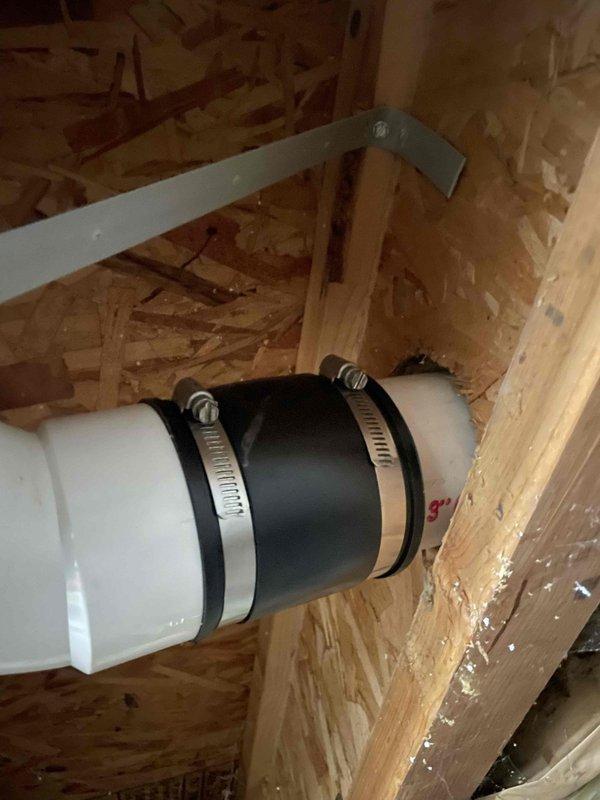
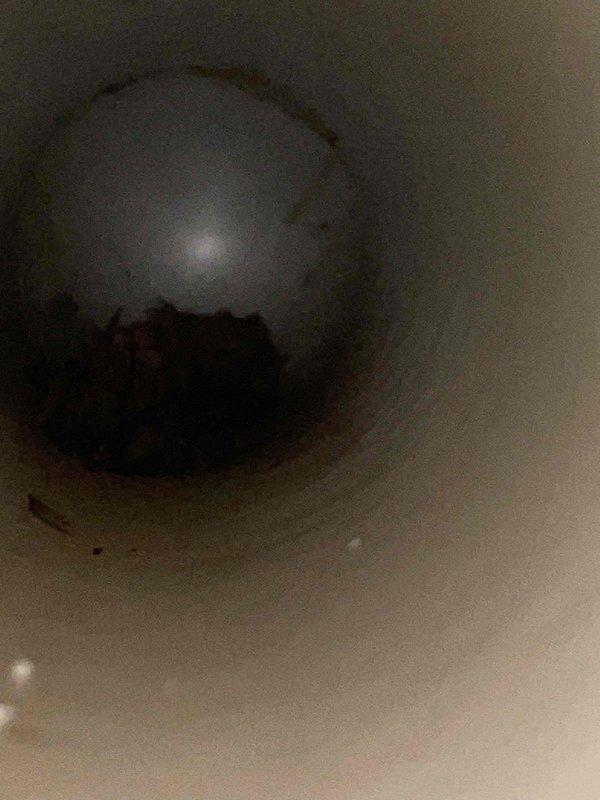

Responded to service call for flue pipe restriction issue. Upon inspection, located blockage within the PVC flue pipe system but was unable to complete removal due to equipment limitations—the shot back hose could not reach the obstruction point. Return visit will be required with extended reach equipment to properly clear the restriction and restore proper venting function.
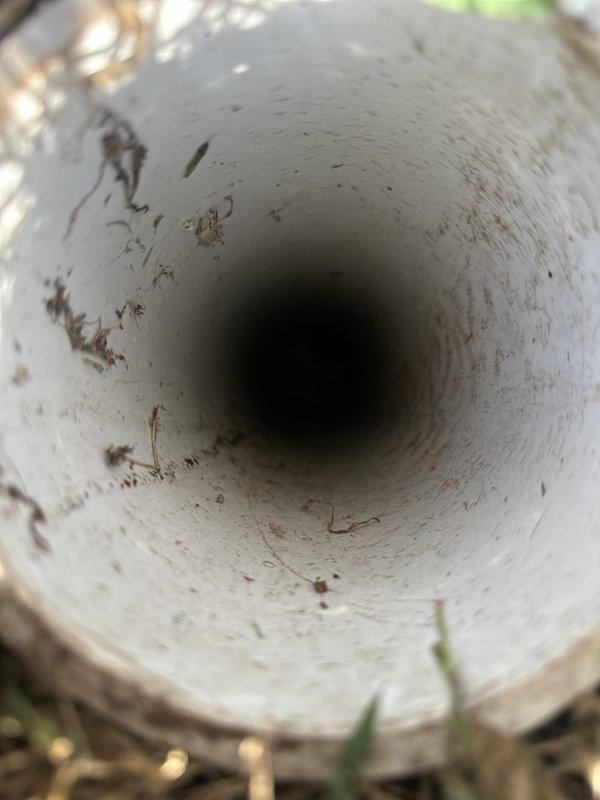
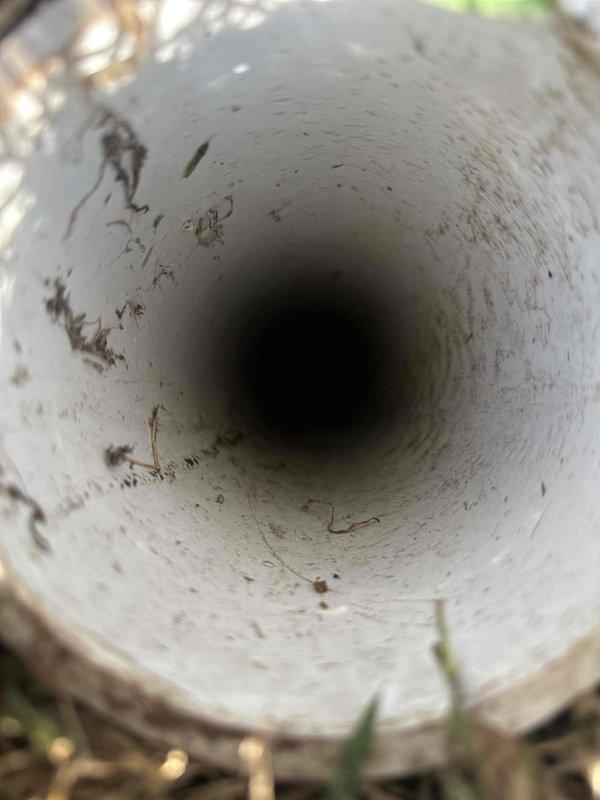

Responded to complaint of gurgling in bathroom sink and shower when toilet is flushed. Inspected main bathroom plumbing system and identified drainage ventilation issue. Located and examined roof vent pipe serving the bathroom plumbing fixtures. Found vent pipe partially obstructed with debris, organic matter, and accumulated dirt on interior walls, restricting proper air flow. Documented condition of vent pipe interior showing staining, contamination, and blockage contributing to negative pressure in drain system. The restricted vent was causing improper drainage venting, resulting in air being pulled through sink and shower drain traps when toilet discharged, creating the reported gurgling sounds. Photographed vent pipe condition for service records.
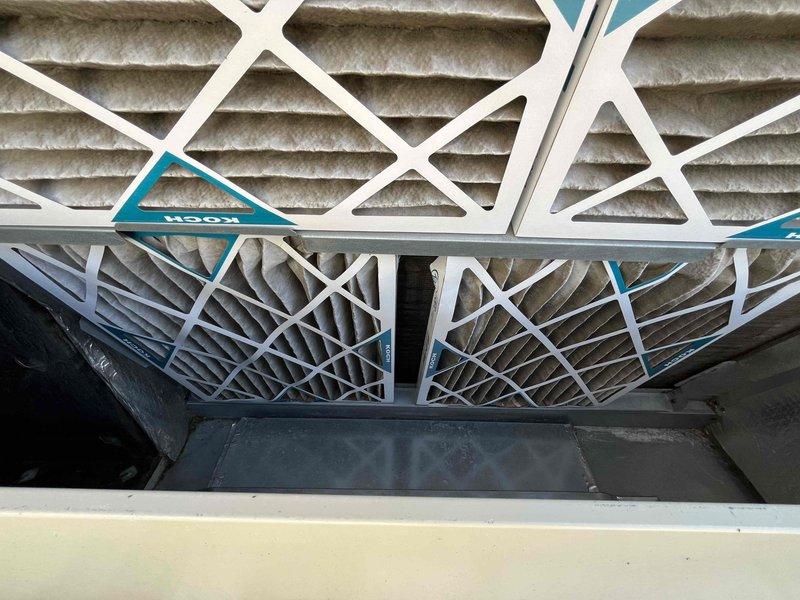
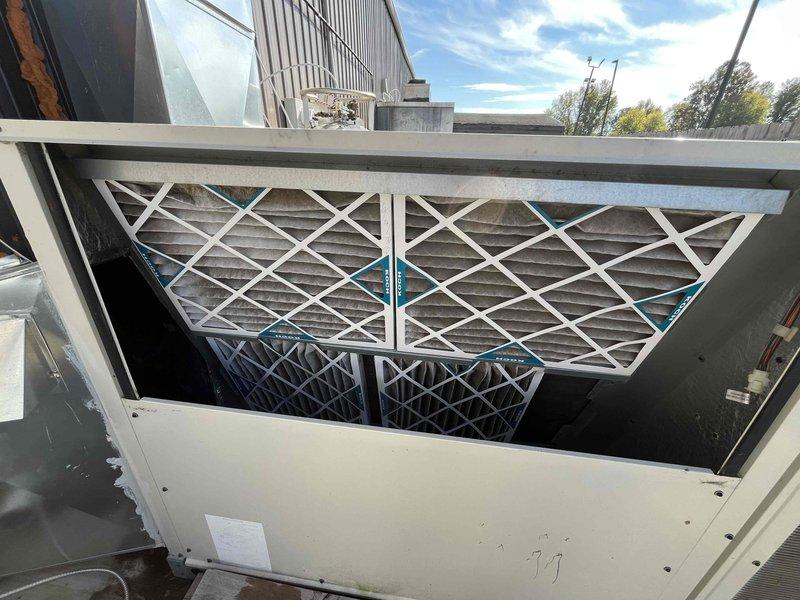

Completed monthly basic heating maintenance visit on four commercial rooftop HVAC units. Inspected all units, replaced dirty 20x25x2 pleated air filters with new filters across all systems, and verified proper operation of heating components. All units operational and filters restocked for future service visits through contract expiration.
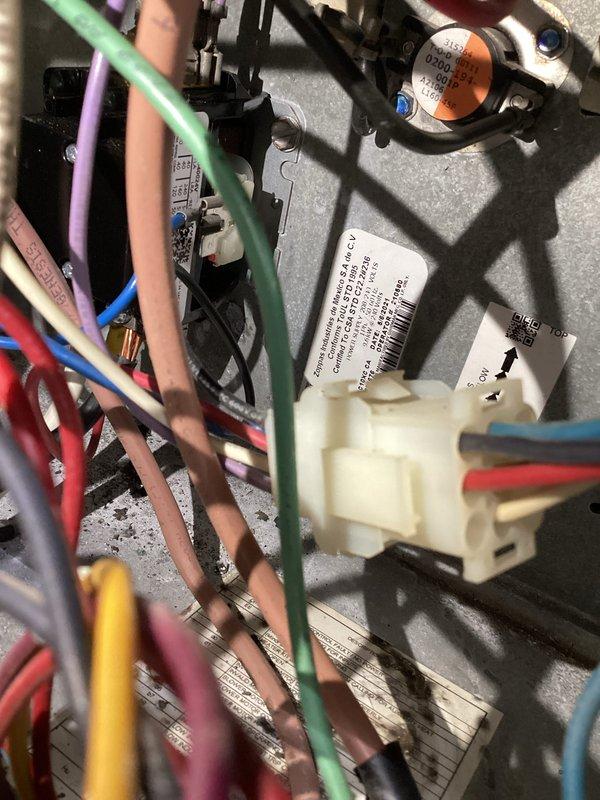
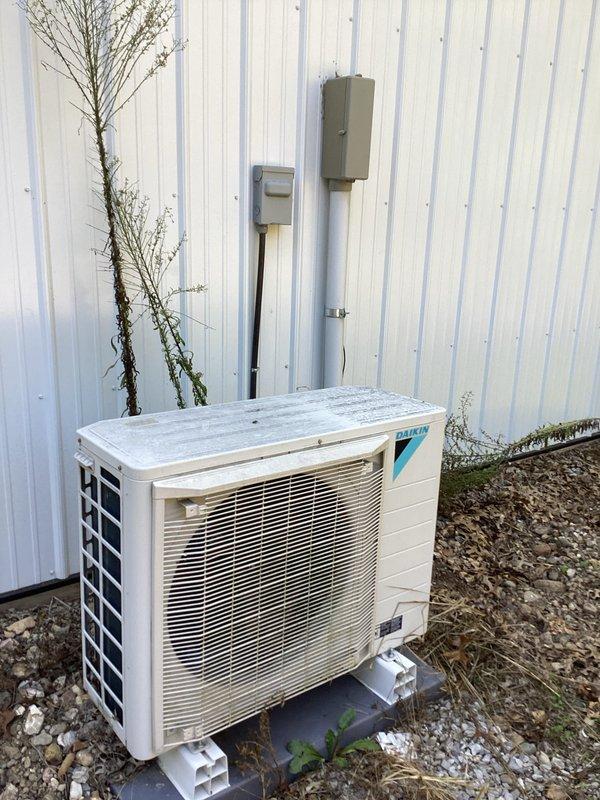

Completed preventive maintenance tune-up on 5-year-old Daikin heat pump system with warranty coverage extending to June 2027. Performed comprehensive inspection of outdoor condensing unit and indoor control components, verified all electrical connections and wiring harnesses, checked refrigerant pressures, and confirmed proper system operation. All components found to be functioning within manufacturer specifications with no deficiencies noted.
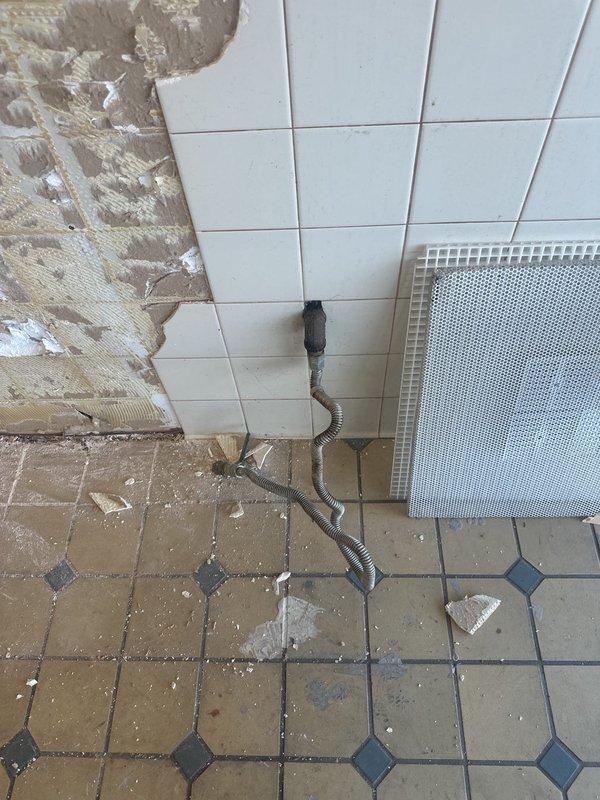
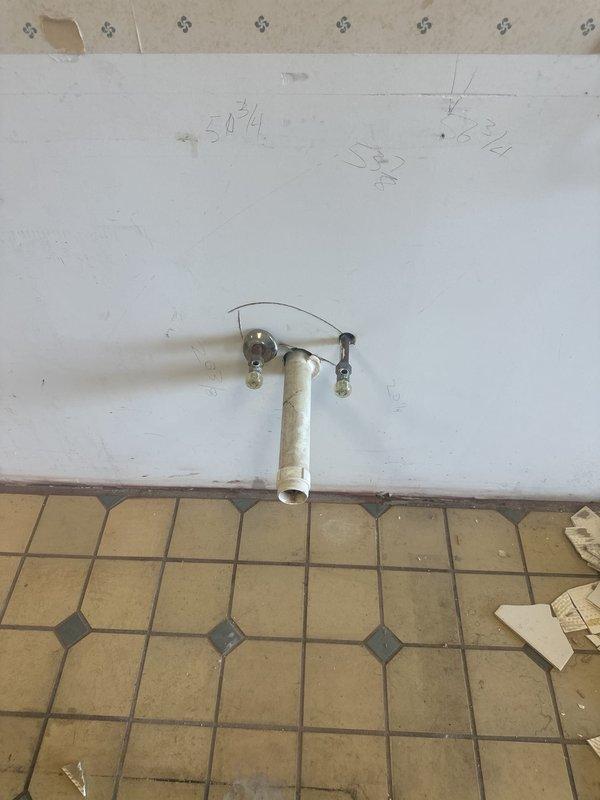
Conducted on-site assessment of existing plumbing infrastructure for water service modifications in grooming facility. Evaluated condition and functionality of current water supply lines to determine which lines could be safely removed and which remained serviceable for grooming tub connections. Inspected exposed piping in ceiling and wall penetrations, noting deteriorated conditions and water damage in surrounding areas. Documented existing pipe configurations, including protruding wall-mounted supply lines with T-fittings, to provide accurate estimate for line removal and system verification prior to grooming tub installation.

# HVAC Maintenance - Heating System Service
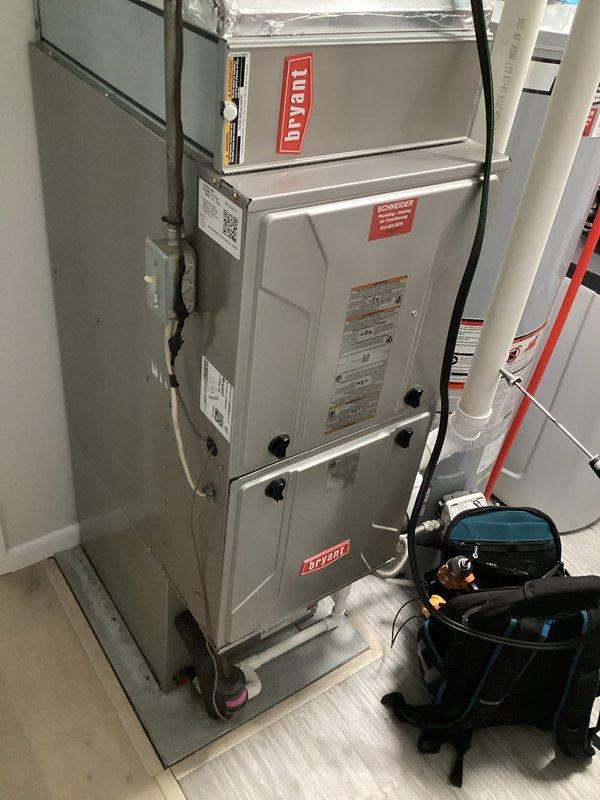
Completed comprehensive heating maintenance on Bryant furnace system. Performed standard CCH (Clean, Check, and Inspect) protocol including visual inspection of all major components and electrical connections. Replaced air filter per monthly maintenance schedule according to specified filter size requirements.
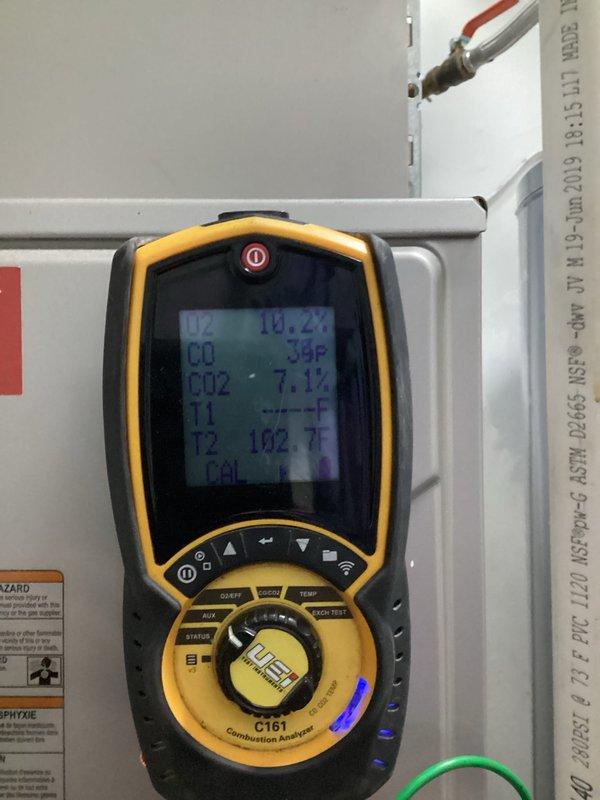
Conducted combustion analysis testing using digital diagnostic meter to verify proper system operation. Measured and recorded combustion gas readings including CO and CO2 levels, along with temperature differentials (T1 and T2 readings). Analysis confirmed safe combustion parameters with readings within manufacturer specifications - CO2 at 19.2% and temperature reading of 39°F recorded during testing.
Inspected furnace cabinet, access panels, and all warning labels for proper condition. Verified electrical disconnect box and conduit connections secure and functioning properly. Examined PVC condensate drain and venting system for prop
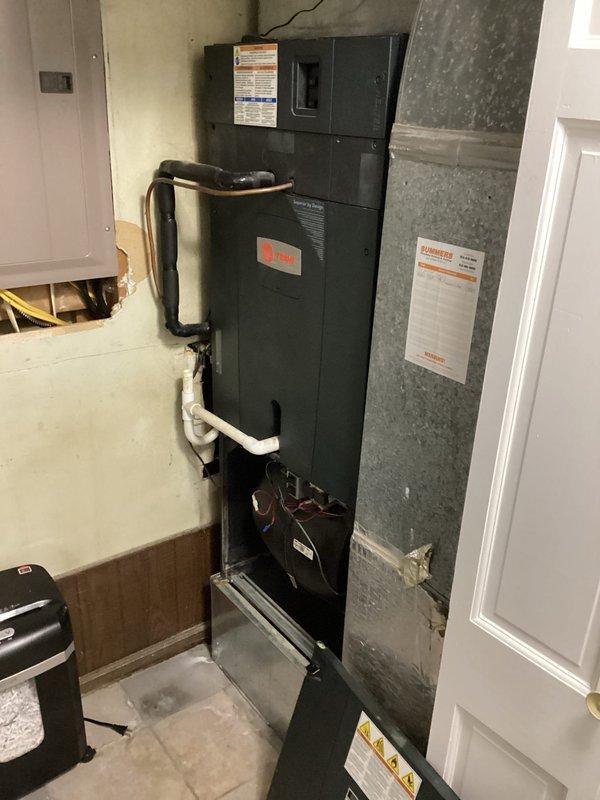
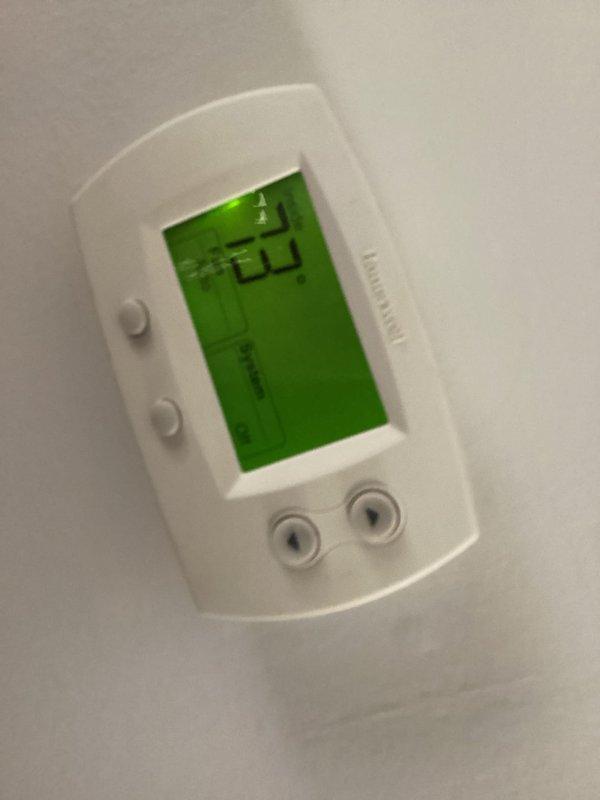

Responded to service call for water overflow from HVAC system caused by clogged condensate drain line. Successfully cleared the blockage from the drain system, restoring proper drainage function and preventing further water discharge from the air handler unit. Verified system operation and confirmed condensate is draining properly through cleared drain line.
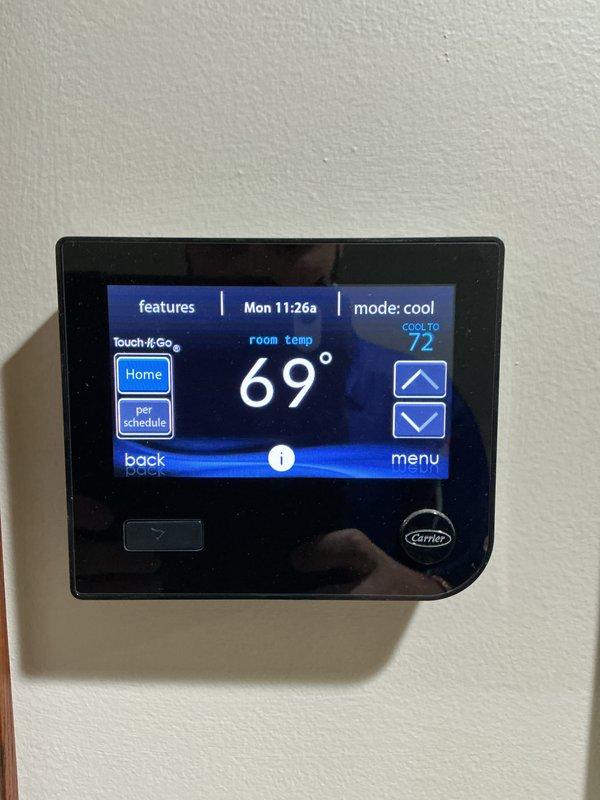
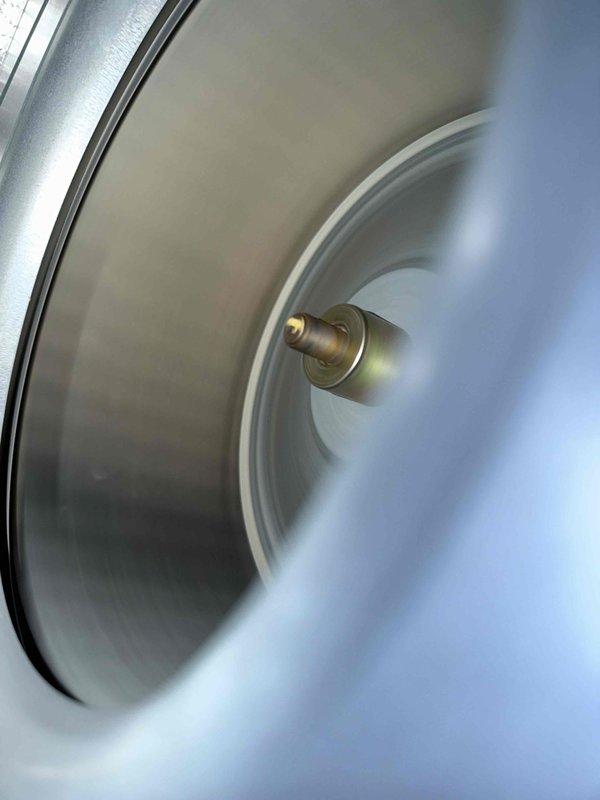

Completed preventive maintenance on two CCHP heating systems, including inspection of thermostats and blower assemblies. Customer requires two 16x20x4 filters which were not included in this service visit.
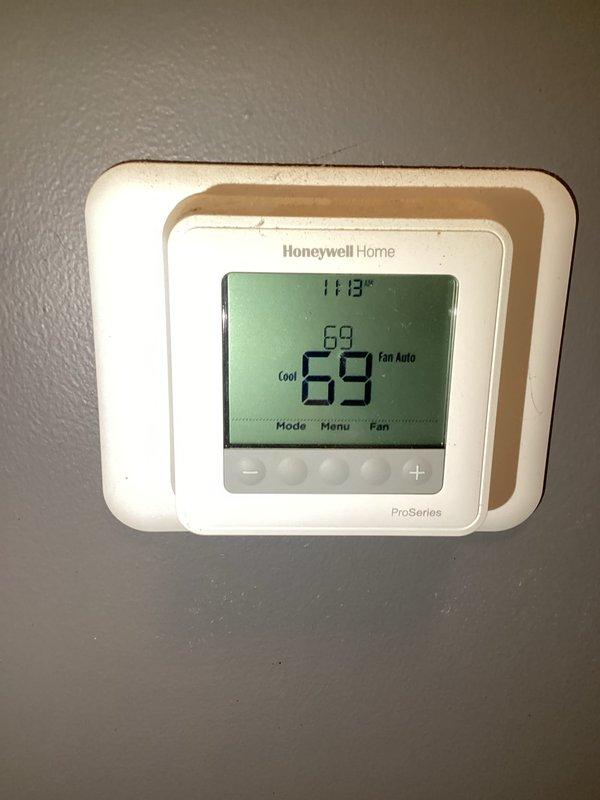
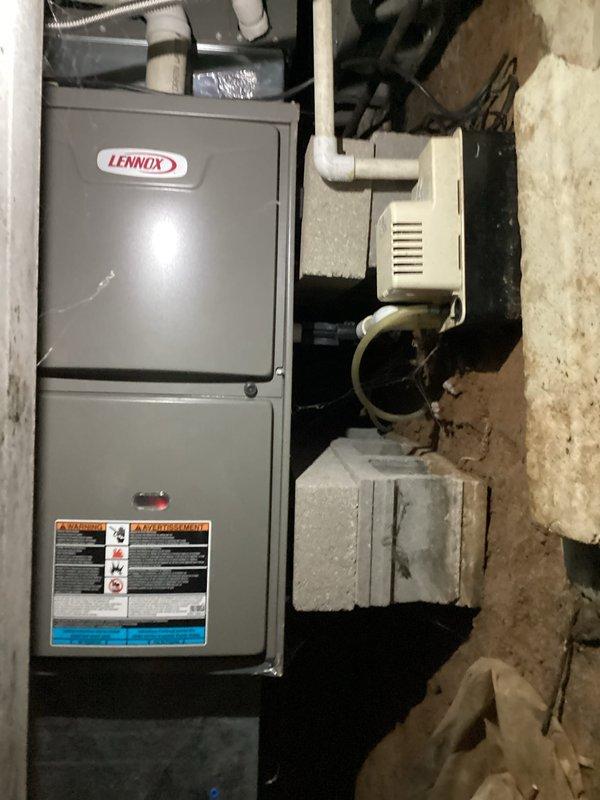
Completed monthly basic heating maintenance visit on Lennox furnace system. Performed standard heating system inspection, replaced 14x20x1 air filter, verified thermostat operation showing 69°F setpoint in cooling mode with auto fan setting, and confirmed all equipment including condensate pump functioning properly with no issues identified.
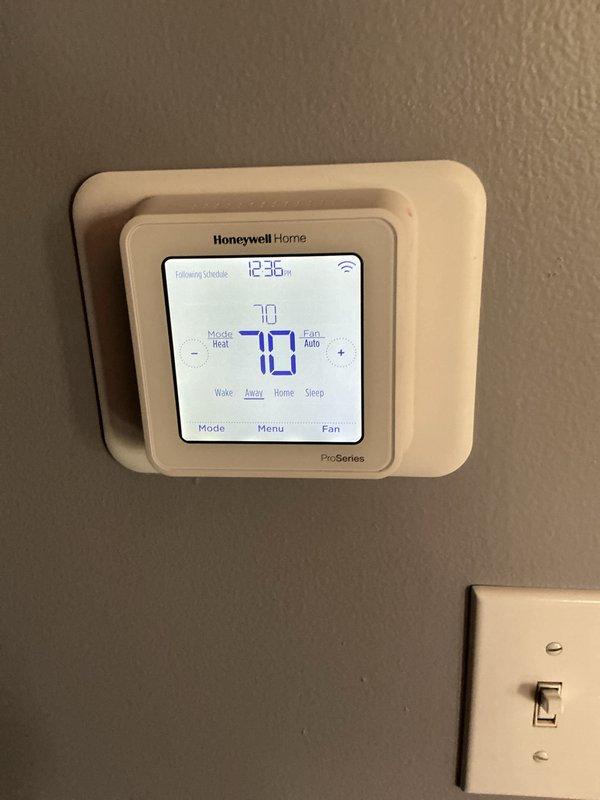
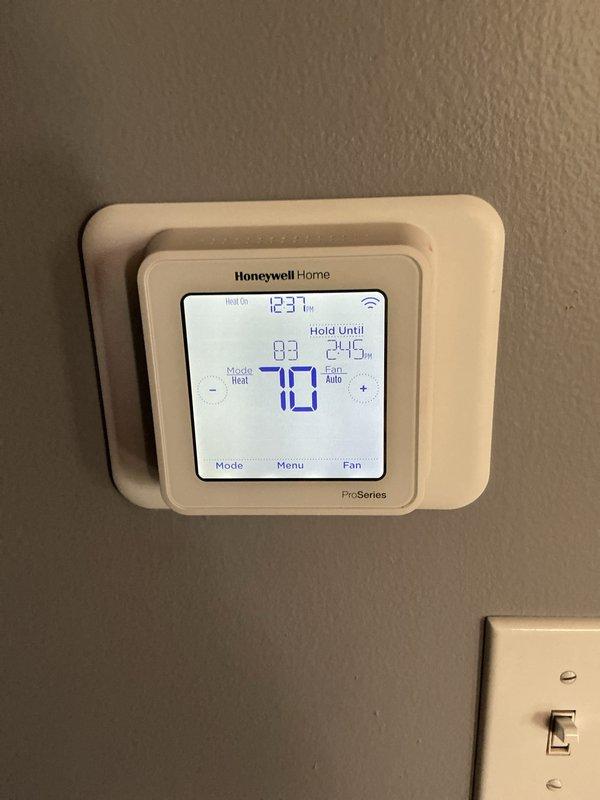
Completed basic monthly heating maintenance visit on CCHP system. Performed standard system inspection and verified Honeywell Home ProSeries thermostat operation, confirming proper heating mode function, schedule following capability, and temperature control at 70°F setpoint. All components operating within normal parameters at time of service.
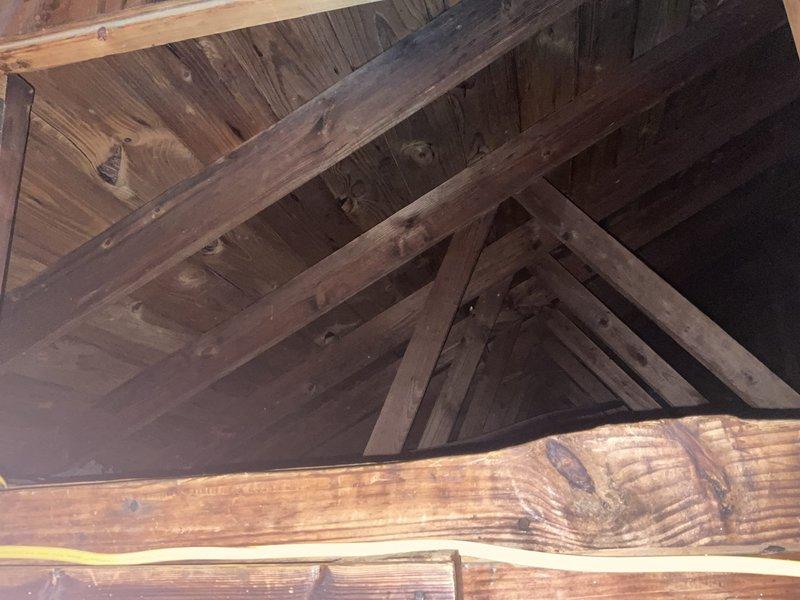
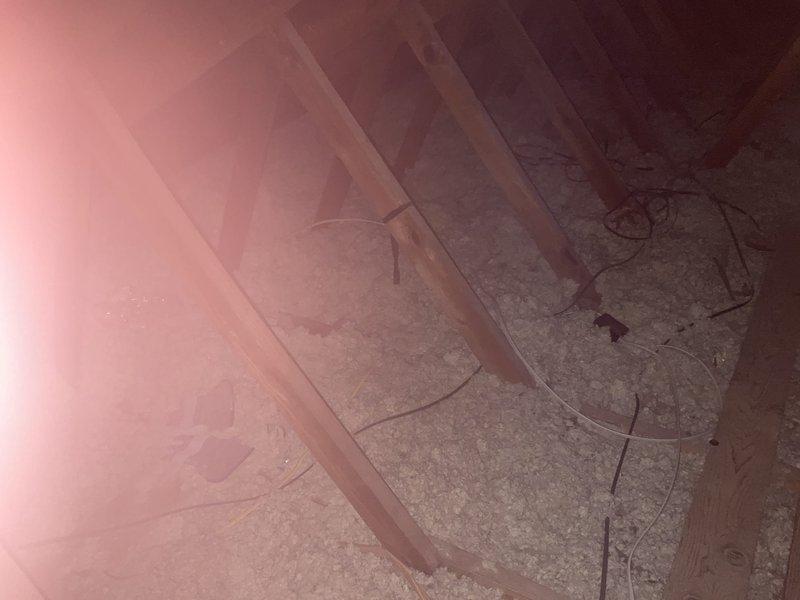

Completed comprehensive HVAC system replacement estimate for 27-year-old existing equipment. Customer requested full system replacement along with duct cleaning services and Sollaris indoor air quality product installation due to new baby in household. Documented attic space conditions including existing structural framework, insulation, and electrical wiring to assess installation requirements and access points for new equipment.
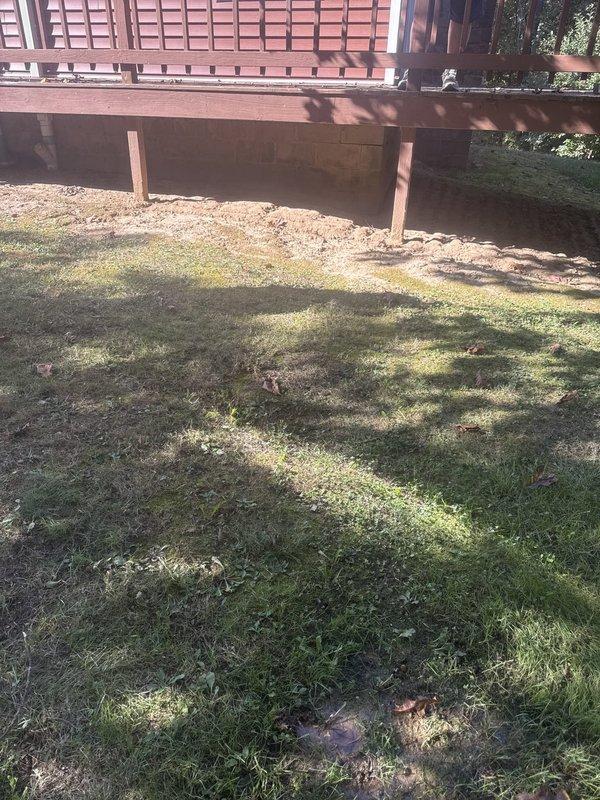

Responded to service call for loss of water pressure in home. Upon inspection of front yard during mowing, discovered active water leak with bubbling wet spot indicating main line failure. Documented site conditions with photos showing affected lawn area and property features for repair assessment and planning.
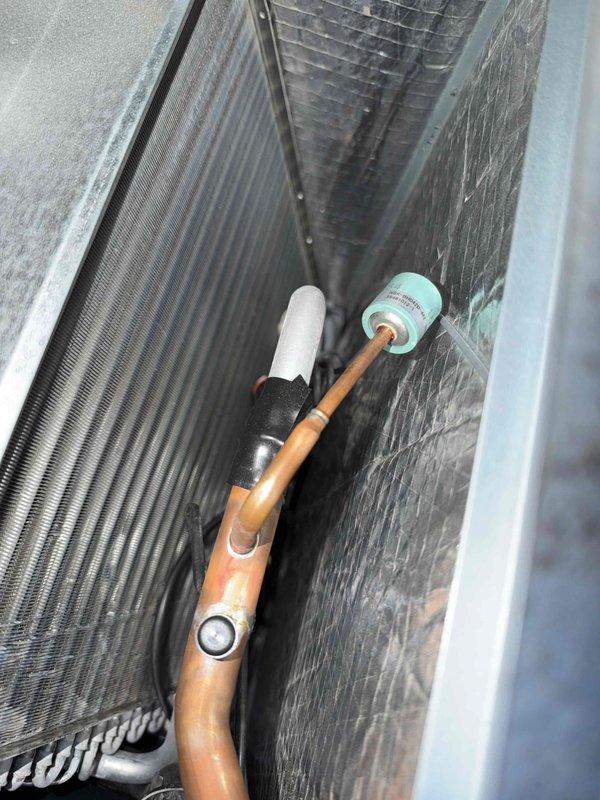
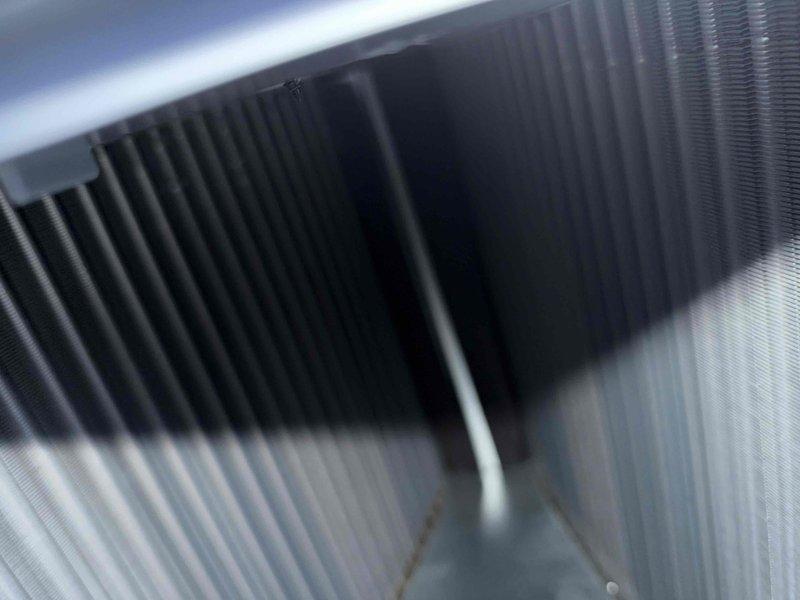
Completed basic monthly heating maintenance on CCHP system. Performed visual inspection of heat exchanger coils, which showed moderate dust and debris accumulation on fin surfaces. Inspected refrigerant lines, copper piping, and associated valve fittings; all connections appeared secure with proper insulation in place. Verified system components and documented equipment condition with photographs for service records.
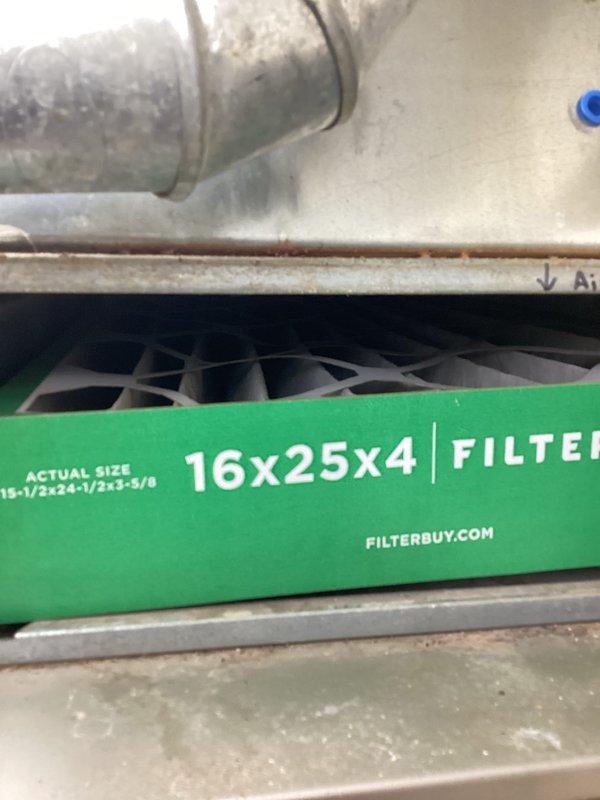
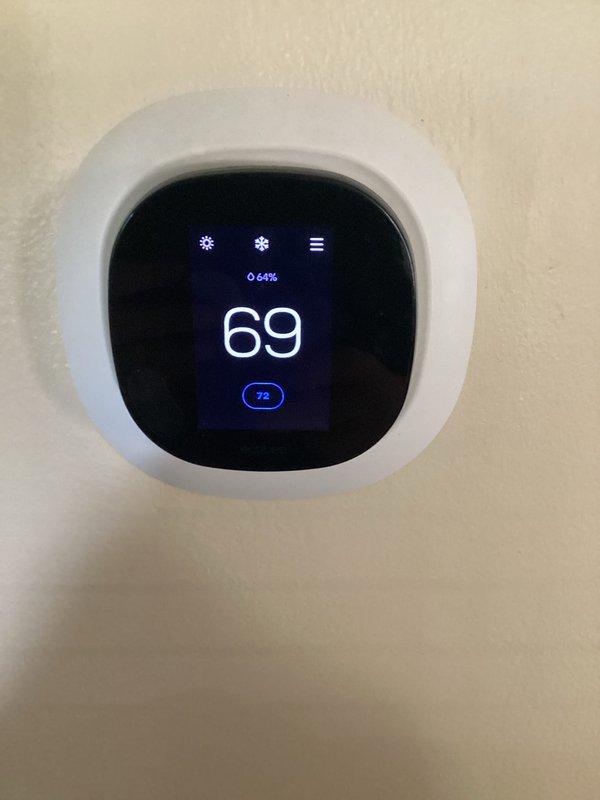
Completed monthly basic heating maintenance visit on residential HVAC system. Inspected 16x25x4 air filter housing and verified proper filter installation, observed thermostat operation displaying current temperature of 69°F with setpoint of 72°F in heating mode, and documented system components showing normal wear and dust accumulation on ductwork and filter housing area.
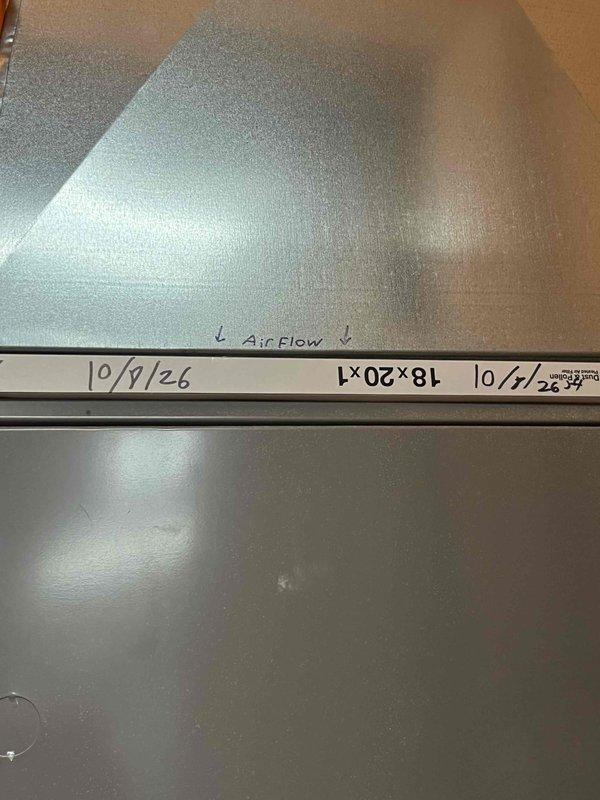
Completed basic monthly heating maintenance service including system inspection and filter replacement. Installed new 18x20x1 air filter in the HVAC air handler unit and documented filter specifications and service date on the unit for future reference. Verified proper airflow direction during installation and confirmed system operational status upon completion.
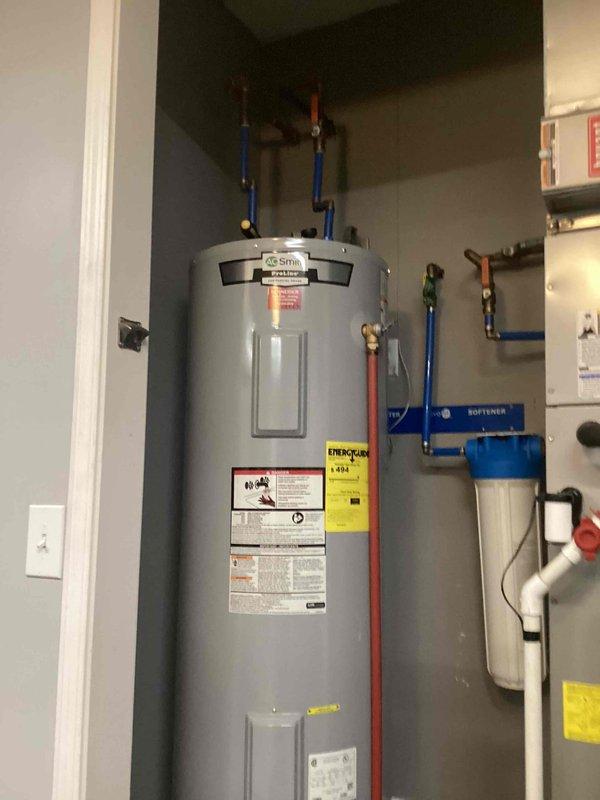
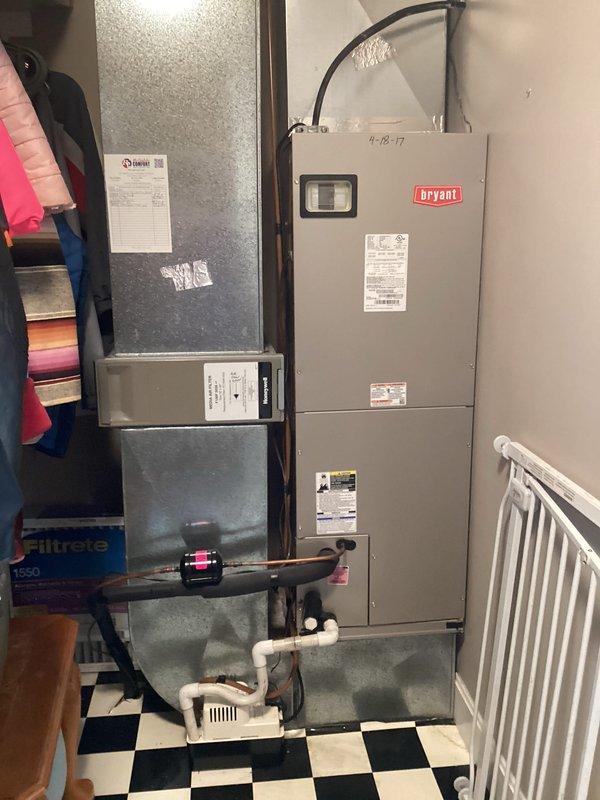
Completed basic monthly cooling maintenance on dual-system residential HVAC installation consisting of Bryant air handler upstairs and secondary unit downstairs. Performed comprehensive combo cleaning service on both systems, including coil cleaning, condensate line service, and filter inspection. Customer to provide 16x20x4 filters as these specialty filters are not included in standard maintenance agreement.
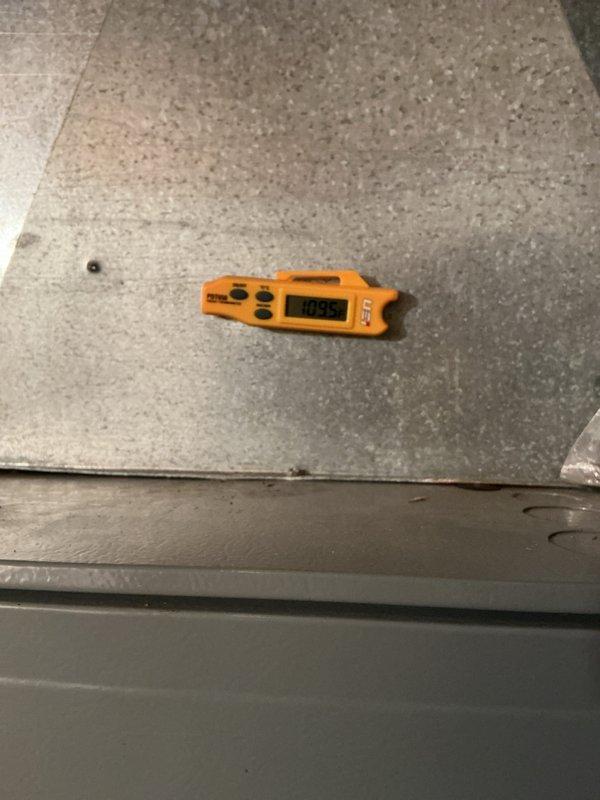
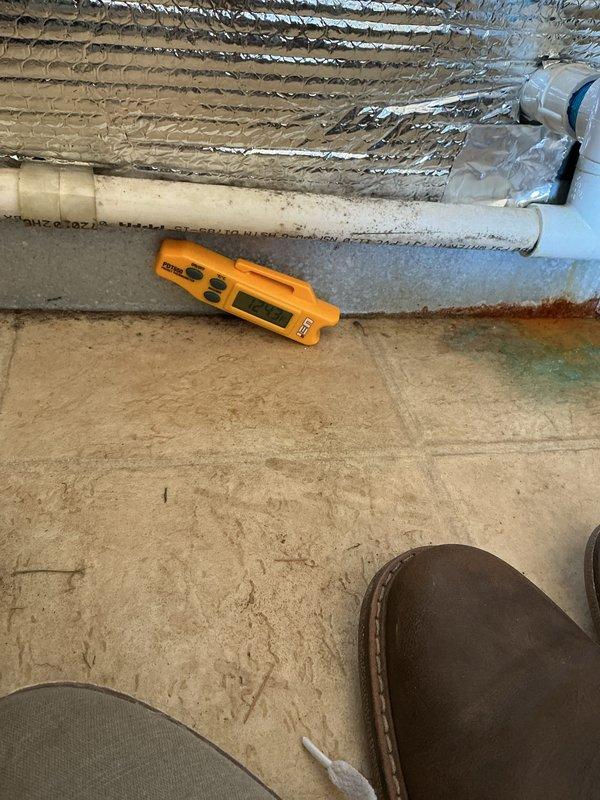
Responded to pressure error on furnace system and completed annual heating maintenance on two systems. Diagnosed and resolved pressure fault, performed comprehensive heating inspections including safety checks, burner operation verification, and system diagnostics using electronic testing equipment. Both systems restored to proper operation with all components tested and verified functional. Filter size noted as 20x20x4 for future reference.
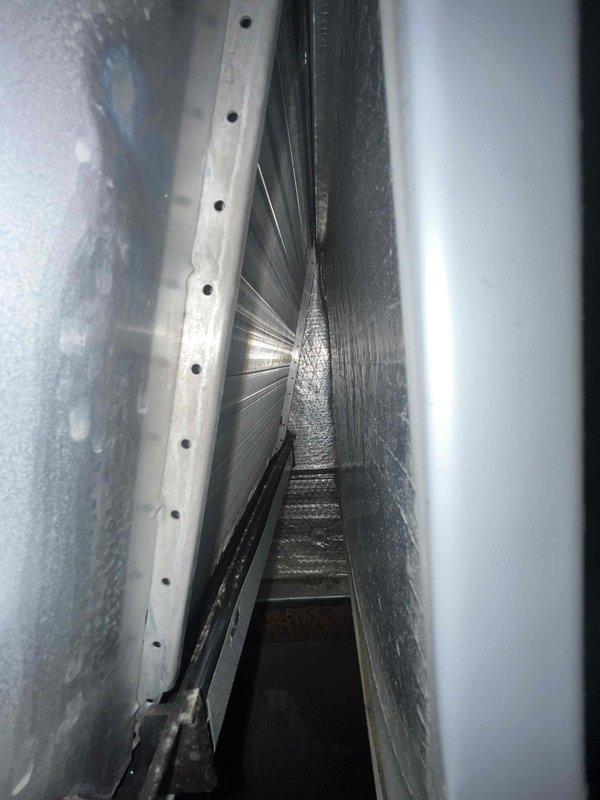
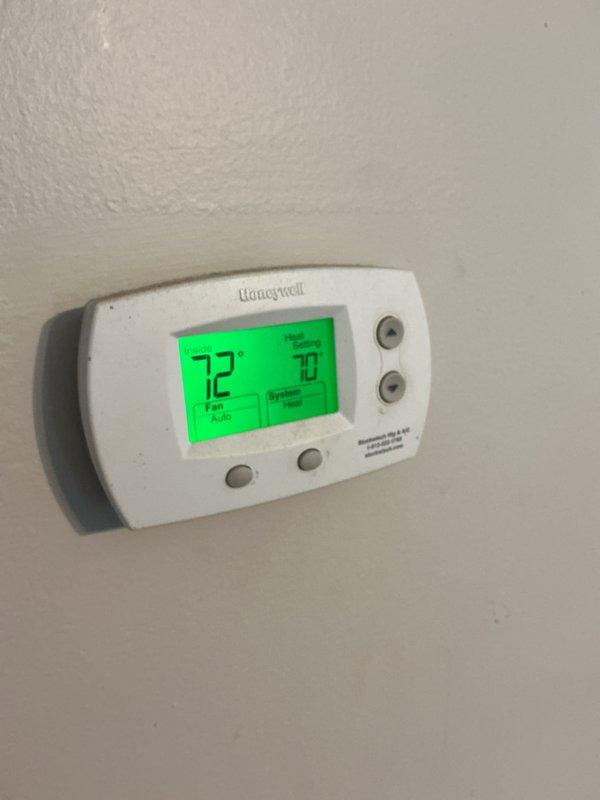
Completed monthly basic heating maintenance visit on HVAC system. Replaced 16x20x1 air filter, inspected air handler and ductwork components for proper operation, and verified thermostat functionality showing current settings at 72°F fan and 70°F system temperature. All equipment operating within normal parameters with no issues identified.
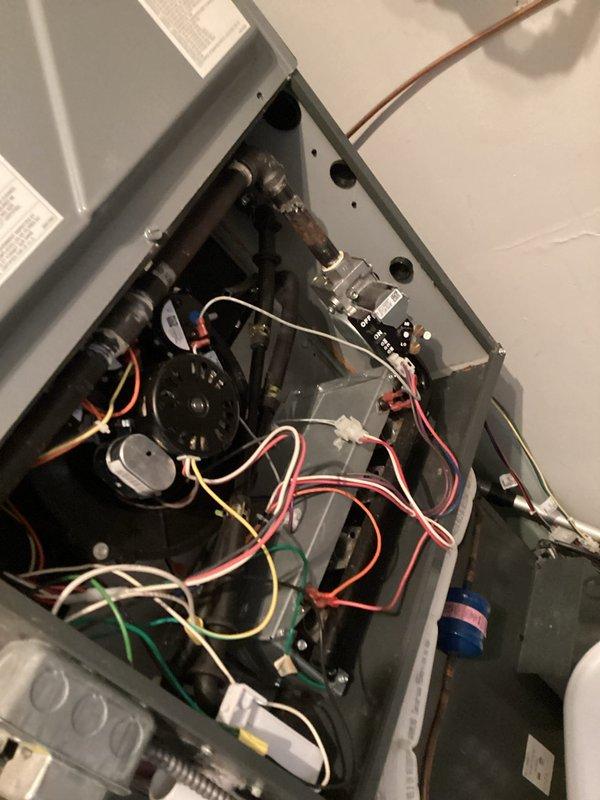
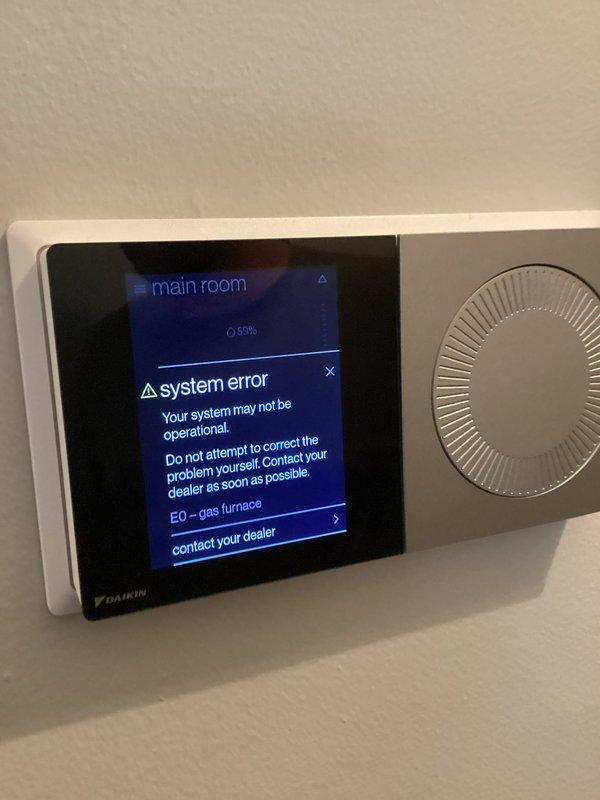
Responded to no heat call on 5-year-old Daikin gas furnace. Upon arrival, thermostat displayed system error code E0 indicating gas furnace fault. Opened furnace control panel and diagnosed issue with gas valve assembly and control board communication. Repaired electrical connections, reset system, and verified proper furnace operation with normal heating restored.
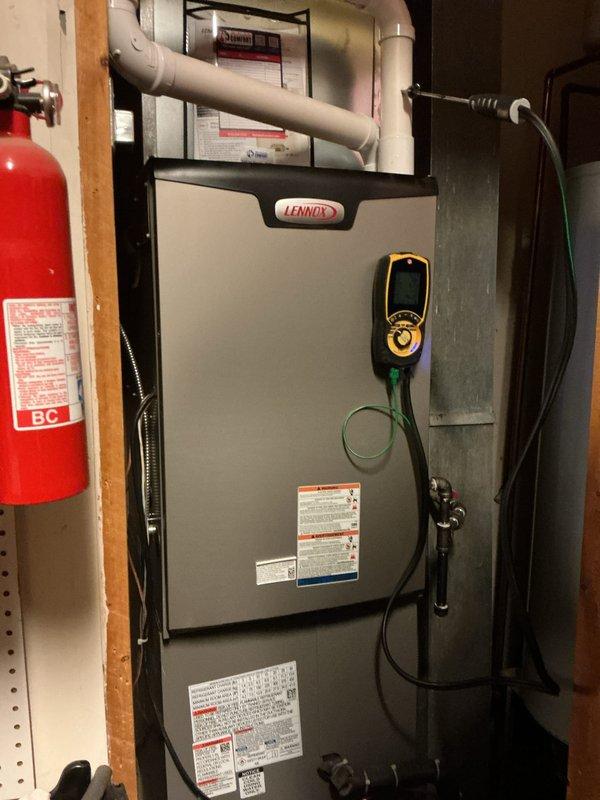
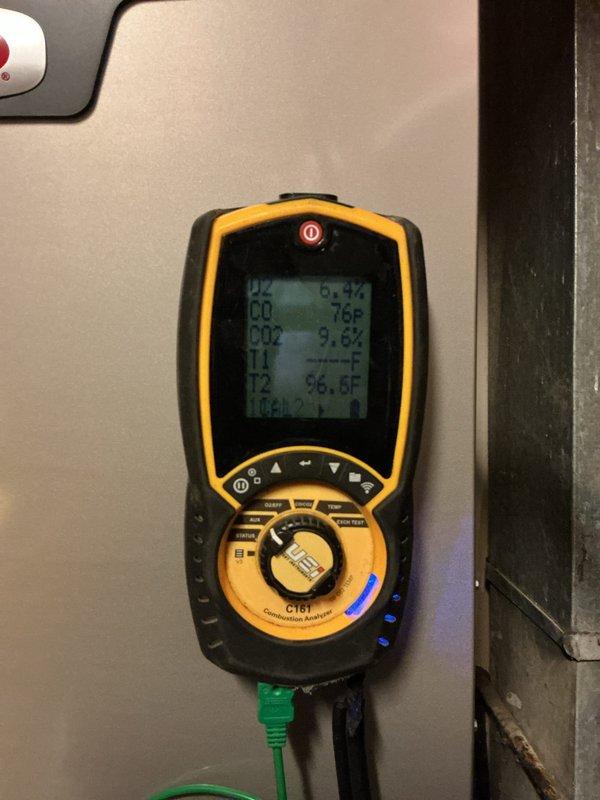
Performed comprehensive heating maintenance on Lennox furnace system under active CCH Basic service agreement. Conducted combustion analysis using digital analyzer, measuring supply temperature of 76°F and return temperature of 56.6°F with proper temperature rise. Replaced 20x20x4 air filter per service agreement specifications. Verified all safety controls, venting system integrity, and confirmed unit operating within manufacturer specifications.