


Most homeowners think of electrical issues as something tied to a device. A bad outlet. A faulty switch. A breaker that keeps tripping. What we find more often is that those problems are symptoms, not causes. The real issue is usually hidden behind the walls, in electrical wiring that has aged, been modified over time, or is no longer safely handling how the home is used today
In Southern Indiana, this shows up in different ways depending on the home. In older Columbus and Elizabethtown houses, the wiring itself has simply been in place too long and has been patched more than once. In newer Bloomington homes, the wiring may be newer, but it was never designed for the amount of equipment now being used in the space. Either way, the result is the same. The system starts to struggle in ways that don’t always make sense at first.
Call (812) 372-8011 or contact us online today for a wiring or rewiring service in Southern Indiana. Whether you are dealing with recurring electrical problems, overloaded circuits, aging wiring, or plans for new equipment, our team can help create a safer and more reliable electrical system for your home. Be sure to ask about our current special offers and available financing options.
What Electrical Problems Usually Point to Wiring Issues?
When wiring starts to fail or fall out of alignment with the home’s demand, it rarely shows up as one clear issue. Instead, you get a pattern of smaller problems that seem unrelated but keep happening over time. A breaker trips in one part of the house, then a different circuit has issues the next week. Lights flicker in one room but not another. An outlet works fine until you plug in something new.
These patterns matter more than any one symptom because they often point to hidden wiring problems and potential electrical safety risks. They tell you the system is not delivering power consistently, which is almost always a wiring issue rather than a device failure.
- Lights flickering without a consistent cause
- Breakers tripping under normal usage
- Outlets losing power intermittently
- Sections of the home behaving differently under load
When problems move around instead of staying in one place, the wiring is usually where the issue starts.
What Happens to Electrical Wiring as a Home Ages?
Electrical wiring is not static. It changes over time as it is used, adjusted, and exposed to heat and load. In homes built between the 60s and 80s, which are common across Bedford and Seymour, the original wiring was designed for a much lower electrical demand than what we see today.
As appliances, HVAC systems, and electronics have been added, those same circuits have been pushed harder than intended. Even if everything still technically works, the system is no longer operating under ideal conditions. Connections loosen slightly. Insulation begins to break down. Small inefficiencies build into larger electrical safety and performance problems over time.
We also see homes where wiring has been modified over the years. Additions, remodels, and quick fixes often leave behind a mix of old and new wiring tied together. That creates uneven performance across the system and introduces weak points that are not always visible until something fails.
When Should You Stop Repairing and Start Rewiring?
There is a point where repeated electrical repairs stop being practical. If you are replacing outlets, adjusting breakers, or troubleshooting the same circuit more than once, the system is telling you something. It is not a one-time issue.
At that stage, the focus needs to shift from fixing symptoms to correcting the underlying structure of the wiring itself. Continuing to repair individual points often leads to more downtime and more cost over time, without actually stabilizing the system.
- Recurring issues in multiple areas of the home
- Circuits that cannot handle everyday usage
- Wiring that shows visible wear or age
- Plans to remodel or add new electrical demand
Addressing the wiring directly creates a stable foundation instead of continuing a cycle of short-term fixes.
Does Rewiring Mean Replacing All the Wiring in a Home?
A full rewire is not always necessary, and in many cases, it is not the most efficient approach. What matters is identifying where the system is breaking down and addressing those areas correctly.
Partial rewiring allows you to upgrade the parts of the home that are under the most stress without taking on a full-house project. This is often the right move in homes where certain rooms have evolved beyond their original design.
Kitchens, living rooms, and home offices are the most common areas where wiring needs to be updated. These spaces carry the highest load and are the most sensitive to inconsistencies in power delivery.
By focusing on these areas, the overall system becomes more stable without unnecessary work in parts of the home that are still functioning properly.
Why Do Electrical Problems Show Up in Multiple Rooms?
One of the most confusing aspects of wiring issues is how they show up across different parts of the home. A problem that starts in one circuit can influence others, especially when the panel is distributing uneven or unstable power.
This is why homeowners often see multiple issues at once. An outlet failure in one room, lighting problems in another, and breaker trips that do not seem connected. These are not separate problems. They are connected through the wiring system.
- Outlets failing due to weak or loose connections
- Breakers reacting to inconsistent load distribution
- Lighting affected by voltage fluctuations
Once the wiring is corrected, these issues tend to resolve together rather than one at a time.
Why Do Electrical Problems Keep Coming Back After Repairs?
We worked on a home in Madison where several outlets had been replaced over a few years. Each time, the issue improved briefly, then returned. The homeowner assumed it was just low-quality devices.
After opening the wall and tracing the circuit, it became clear the wiring connections were loose and the load was not properly distributed. The outlets were doing exactly what they were supposed to do. The wiring behind them was not.
Once that section was rewired and the load was balanced, the issues stopped completely. No further replacements were needed because the root cause had been addressed.
What Happens During a Wiring or Rewiring Project?
The process starts with understanding how the system is currently functioning. Before any changes are made, the wiring is inspected to identify where the system is breaking down and how far the issue extends.
From there, the work is planned around how the home is actually used, not just how it was originally designed. That includes evaluating load, circuit layout, and how different areas of the home interact with each other.
- Inspection of existing wiring and connections
- Identification of weak points and overloaded circuits
- Planning updates based on real usage
- Replacing or rerouting wiring where needed
- Testing the system for consistent performance
The goal is not to replace wiring for the sake of it. The goal is to create a safe wiring system that works reliably across the entire home.
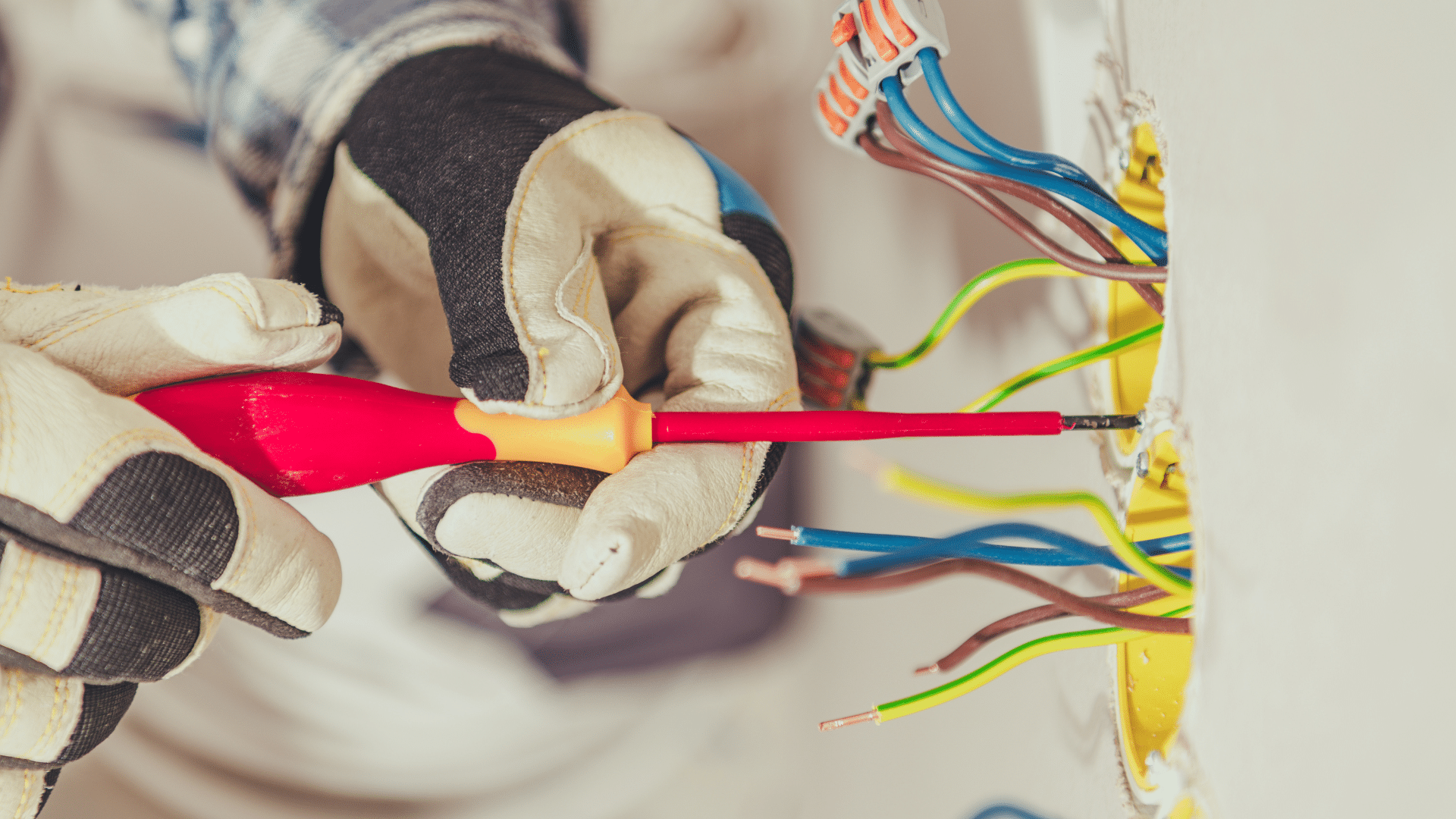
When Should a Home’s Wiring Be Updated?
The way homes use electricity has changed. Systems that were once more than adequate are now expected to support far more equipment on a daily basis. When the wiring cannot keep up, the entire system begins to show strain.
Updating the wiring is not just about adding capacity for the future. It is also about improving electrical safety and long-term system stability. It is about bringing the system in line with what the home is already doing today. Once that happens, the difference is noticeable. Problems stop repeating. Power delivery becomes consistent. The system feels stable again.
That is what proper wiring and rewiring work is meant to accomplish. Not just fixing issues as they come up, but creating a system that no longer produces them.
Tired of chasing the same electrical problems over and over? Schedule online today for wiring or rewiring service and get your home’s electrical system working reliably again.